WHO launches new global guidelines to create healthier school food environments
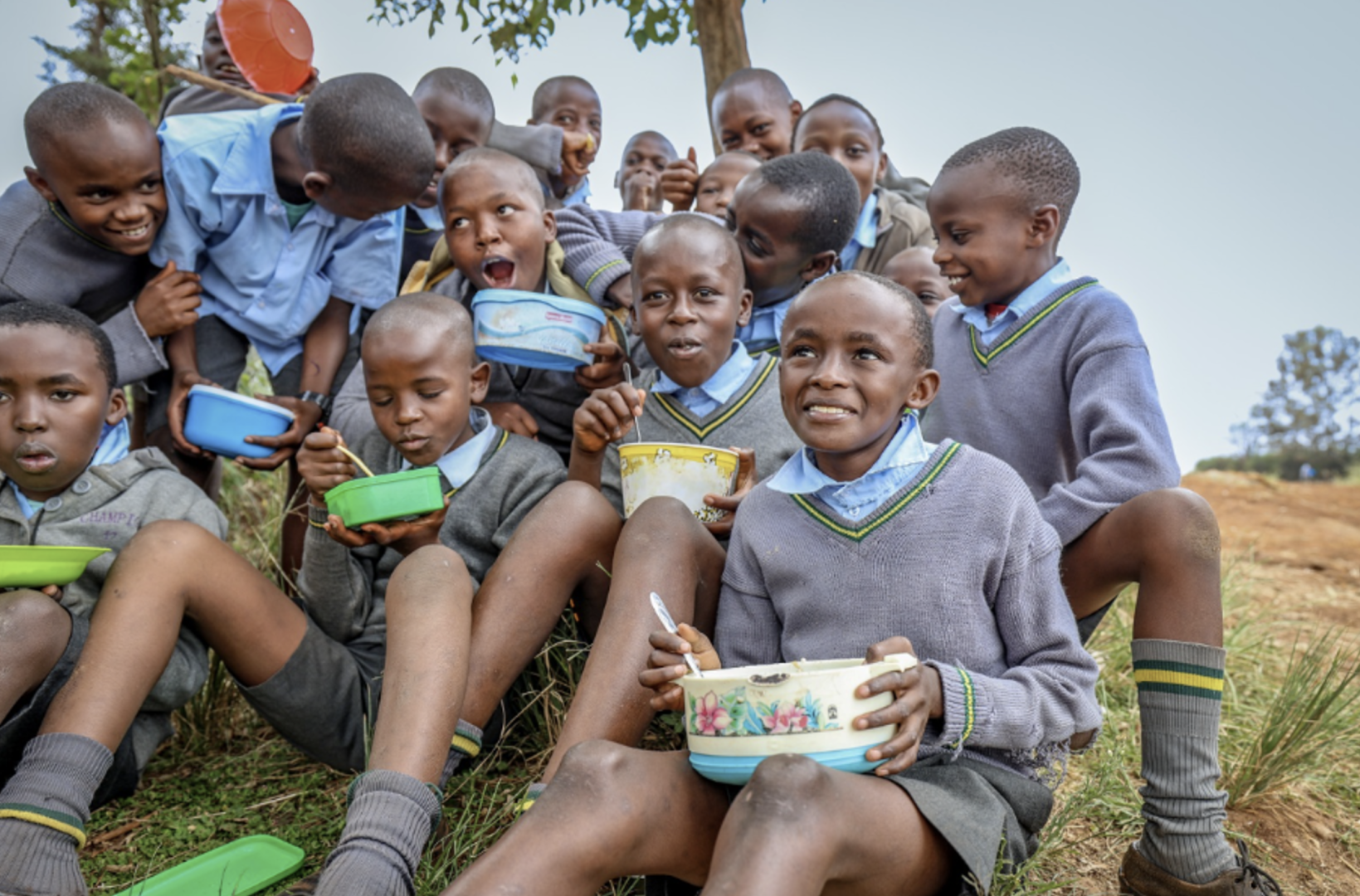
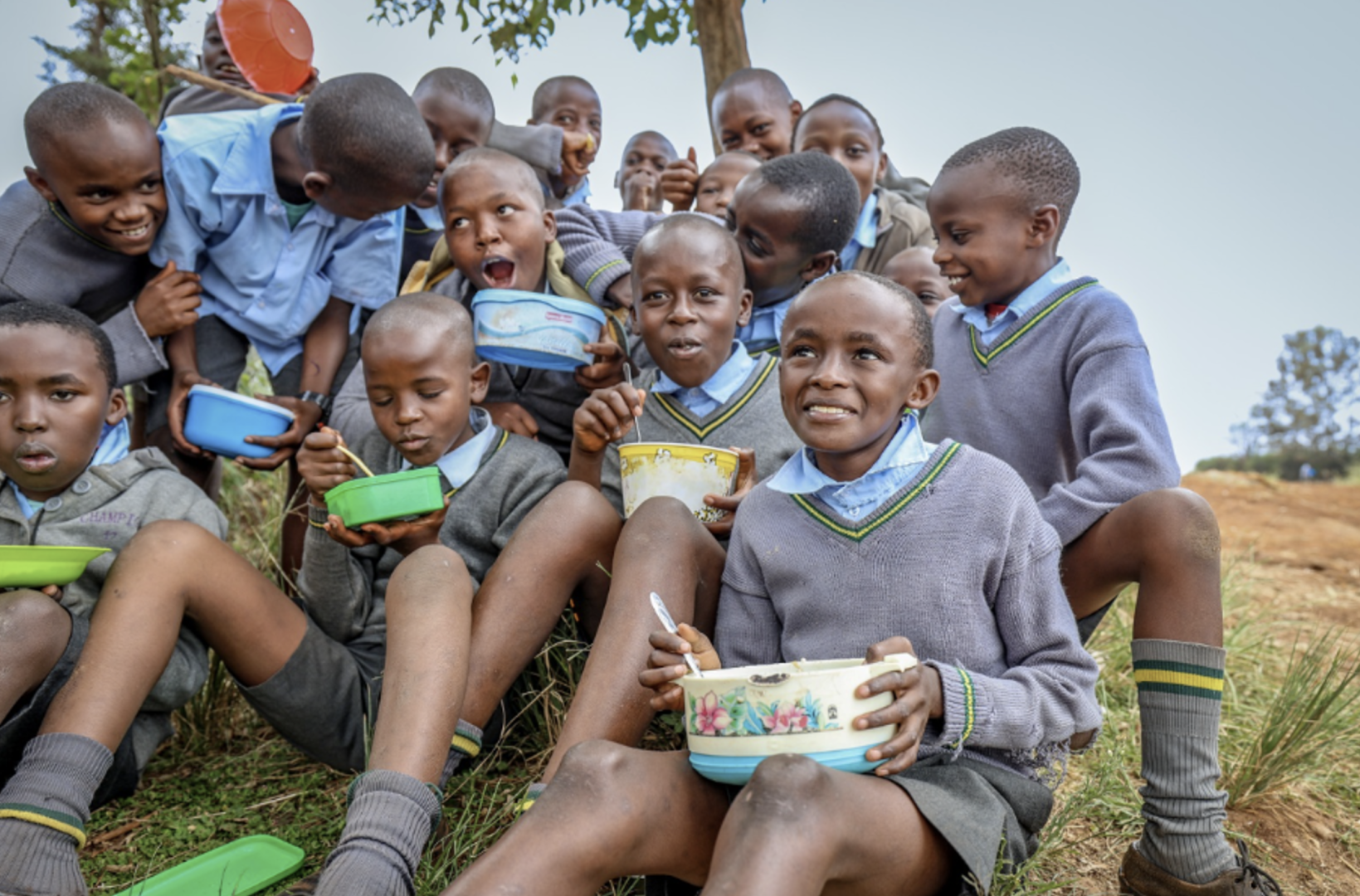
Nairobi—The World Health Organization (WHO) today launched the WHO Guidelines on Policies and Interventions to Create Healthy School Food Environments, providing countries with evidence-based recommendations to improve the quality, safety and nutritional value of foods and beverages provided, served or sold in schools.
The guidelines focus on three priority areas. These include food provision in schools, nutrition standards or rules for foods and beverages served or sold in schools, and nudging interventions that promote healthier food choices within school settings. Together, they aim to increase the availability and consumption of nutritious foods while reducing children’s exposure to unhealthy options, supporting child health, learning outcomes and long-term development.
Children spend a significant portion of their day their day in school, making it a critical setting for shaping dietary habits and addressing nutrition inequities. “Children are at a higher risk of malnutrition including micronutrient deficiencies and this halts their overall growth and development,” said Dr Betty Lanyero, WHO Kenya Nutrition Focal Point. “Therefore, these guidelines offer countries a clear, evidence-based framework to strengthen school food environments in line with public health goals and children’s rights.”
In Kenya, children typically begin school from the age of four years, and many remain in school through late adolescence. A substantial proportion of learners, particularly those in boarding schools and in arid and semi-arid regions, depend heavily on school meals to meet their daily nutritional needs.
“Nutritious school meals play a central role in supporting children’s growth, health and ability to learn,” said Leila Odhiambo, Programme Coordinator for Healthy Diets at the Ministry of Health. “Global guidance helps ensure that school food policies are informed by evidence and responsive to the nutritional needs of children at different stages of development.”
Kenya is currently providing free school meals to approximately 2.6 million children, with a national target to reach 10 million children by 2030, according to the Ministry of Education. “Strong collaboration between line ministries, parents and the community is essential for the successful implementation of school feeding programmes, says Elizabeth Othieno” Director, School Health, Nutrition and WASH, Ministry of Education, Kenya. The Government, with support from WHO and partners, is also advancing work on school menu guidelines, public food procurement, portion sizes and meal composition, alongside the integration of nutrition education into the competency-based curriculum.
WHO has additionally been supporting efforts to expand health promoting schools, an approach that encourages schools to provide healthy environments for nutrition, physical activity, and mental health alongside education.
“Healthy school food environments are fundamental to children’s wellbeing and future health,” said Dr Neema, WHO Representative a.i. to Kenya. “These guidelines support countries to turn global evidence into practical action that helps children grow, learn and thrive.”
The guidelines form part of WHO’s broader work to improve diets, strengthen food systems and reduce nutrition related inequities globally.
Communication officer
WHO Kenya
Tel: +254 740 466 426
Email: printg [at] who.int (printg[at]who[dot]int)